Key Takeaways
- Artex ceilings may contain asbestos, especially in homes built before 2000.
- Professional testing is essential before any renovation work on textured ceilings.
- Damaged or disturbed asbestos can release harmful fibres, posing health risks.
- DIY removal of asbestos-containing materials is not recommended without professional help.
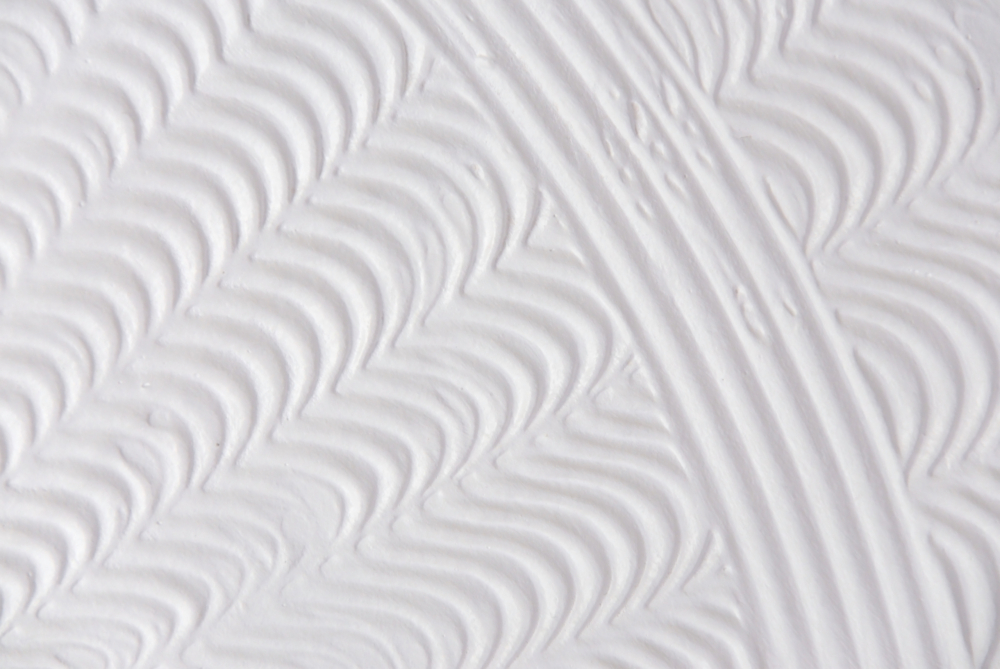
Those swirls and textured patterns that were so popular in British homes during the 1970s and 1980s may not look particularly fashionable today. But if you have an Artex ceiling, there could be more to it than an outdated decorating trend – so before you reach for the scraper, there’s something you should know.
Some textured decorative coatings, including some Artex products, contained asbestos.
That doesn’t mean every textured ceiling contains asbestos – but if you’re planning to scrape, sand, drill or remove yours, Goodbye Asbestos can help you find out what you’re dealing with first.
What is Artex?
Artex is a brand name for a textured decorative coating used on ceilings and walls. The name became so synonymous with the style that it is now often used to describe textured coatings generally.
Some Artex and similar coatings contained asbestos, which was added for its strength and heat-resistant properties. However, not all Artex or textured coatings contain asbestos, and you can’t tell whether it is present simply by looking at the pattern. The age of the coating can provide a clue, but it can’t confirm what’s in it.
If you’re planning work on an older textured ceiling, professional asbestos sampling and testing can establish whether asbestos is present before you start. Depending on the property and the work planned, an asbestos survey may also be appropriate.
When does an Artex ceiling become a problem?
An asbestos-containing ceiling that is in good condition and left undisturbed may not present an immediate problem. The concern is when the material is damaged or disturbed, potentially releasing harmful asbestos fibres into the air.
The risk is increased during any home improvement or renovation work when you may need to:
- Scrape off an old textured ceiling
- Sand it before painting
- Drill into it for lights or fittings
- Install downlights
- Remove or repair part of the ceiling
- Carry out electrical or building work
If asbestos is present, DIY work could disturb the coating and release fibres. That’s why it’s sensible to check what’s there before starting work.
What should you do if you think your ceiling contains asbestos?
Don’t panic – and don’t try to test it yourself by scraping away a piece.
If the ceiling is intact, leave it undisturbed while you establish whether asbestos is present. Professional asbestos sampling and testing can establish whether the textured coating contains asbestos. If you’re planning renovation or other work, an asbestos survey may also be appropriate.
If asbestos is confirmed, the appropriate next step will depend on the condition of the material and what you want to do with the property. It may be possible to leave it in place and manage it safely, while in other circumstances asbestos removal may be appropriate.
The important thing is not to guess.
Professional asbestos testing and removal
If you’re renovating an older home in London, the Home Counties or elsewhere in the South East, don’t let an old-fashioned ceiling pattern catch you out. Before you scrape away those swirls or start drilling into a stippled ceiling, find out what’s actually hiding beneath the texture.
For professional assistance, consider our asbestos removal services.
Goodbye Asbestos provides asbestos testing, surveys and removal services, including work involving Artex ceilings and other textured coatings. The team can assess the material and advise you on the safest way forward.
Think your Artex ceiling could contain asbestos? Contact Goodbye Asbestos or call them on 0800 024 6203 for a free, no-obligation quote.