Before you get stuck into DIY in an older property, take a moment to think about what might be hidden beneath the surface. You could be dealing with asbestos without even realising it.
Asbestos was widely used in UK buildings until it was banned in 1999, and it can still be found in older homes and outbuildings today. It may be hidden in materials such as textured coatings, floor tiles, boards and insulation. Drilling, sanding, cutting or breaking these materials can release dangerous asbestos fibres into the air.
Here are 10 common DIY jobs that could disturb asbestos without you realising it’s there.
1. Drilling into walls or ceilings
Putting up shelves, curtain rails, light fittings or pictures might seem harmless, but drilling into an older wall or ceiling can disturb asbestos-containing materials. Asbestos could be in insulating boards, textured decorative coatings or other materials beneath the surface. The Health and Safety Executive (HSE) warns that drilling into walls can disturb these materials. If you’re unsure what you’re drilling into, don’t assume that because the surface looks like ordinary plaster it is asbestos-free.
2. Sanding walls and ceilings
Sanding is a common part of decorating, particularly when preparing old paintwork or smoothing a surface before repainting. However, sanding can create dust and disturb materials that contain asbestos. Textured decorative coatings, for example, may contain asbestos and can be damaged during preparation work. If you suspect a textured coating or other older material may contain asbestos, don’t sand it to find out what is underneath.
3. Removing Artex or other textured coatings
If you’ve got an old textured ceiling or wall that you’d like to update, don’t start scraping or sanding just yet. Some textured coatings contain asbestos, and disturbing them can release fibres. Unfortunately, you can’t tell if a coating contains asbestos just by looking at it. If you’re planning to remove an asbestos ceiling, get it tested before you start.
4. Pulling up old floor tiles
Replacing an old floor can make a big difference to a room, but don’t rush to pull up old tiles or flooring. Asbestos was used in some vinyl floor tiles and associated materials. It may also be present in the backing or adhesive. Older floor tiles can become damaged as they are lifted, broken or scraped from the floor. If you’re dealing with old flooring and don’t know what it contains, get advice before starting work.
5. Replacing lights or electrical fittings
Changing a light fitting or adding a new socket may mean drilling into a wall or ceiling, potentially disturbing asbestos-containing materials. If you suspect asbestos may be present, let your electrician know before they start work. HSE guidance recommends making contractors aware of any known asbestos.
6. Removing old ceiling tiles
If you’re replacing old ceiling tiles, don’t assume they’re asbestos-free. Some older tiles and ceiling materials contain asbestos, and you can’t always tell by looking at them. If you’re planning to take them down, make sure you have them professionally tested first.
7. Working in the loft
Lofts are often full of old materials that have been there for decades. If you’re boarding out the loft, installing lighting or running cables, you could come across something unexpected. Asbestos-containing materials can include boards and other products used in older properties, so take care before moving or removing anything you don’t recognise.
8. Working on an old shed or garage roof
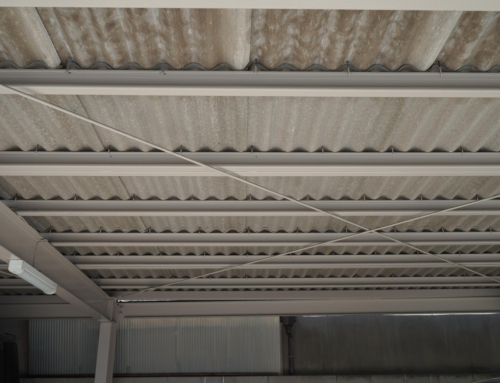
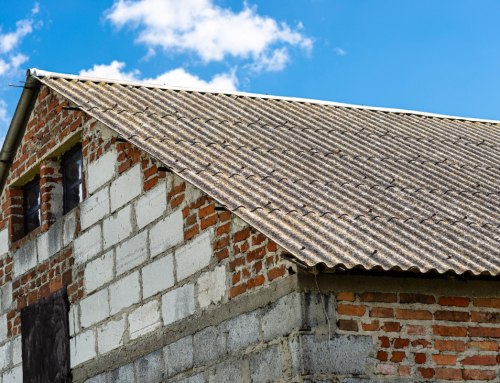
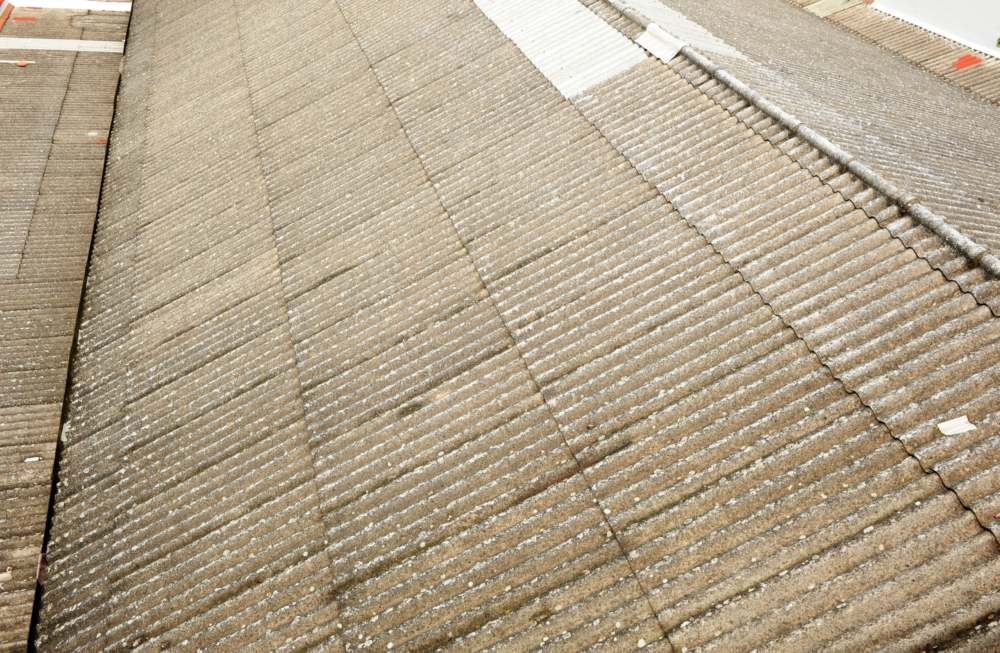
An old shed or garage may have corrugated cement roofing that contains asbestos. You might be tempted to clean it, paint it or attach something to it, but disturbing the roof could release asbestos fibres. If you’re planning work on an older garage roof, find out what you’re dealing with first and consider getting a professional to take care of it if you need an asbestos shed or garage roof removed.
9. Removing old insulation
Clearing out a loft or replacing old insulation can uncover materials you weren’t expecting. Some older insulation products contain asbestos, so take care when moving or removing them. If you’re not sure what something is, don’t disturb it.
10. Replacing doors, windows or other fittings
Replacing windows or doors can involve drilling into surrounding walls, removing old panels or disturbing materials around the frame. In an older property, some of these materials may contain asbestos.
What should you do if you think you’ve found asbestos?
If you come across something you think could contain asbestos, stop work and don’t disturb it. Don’t drill, sand, cut or try to take a sample yourself. Asbestos sampling or testing can confirm what you’re dealing with and help you decide what to do next. If asbestos does need to be removed, asbestos removal should be carried out by a suitably qualified professional.
Need asbestos testing or removal?
If your property was built or refurbished before 2000, it’s worth considering asbestos testing before starting major DIY or renovation work.
Goodbye Asbestos provides asbestos surveys, testing and removal across London and Surrey. If you’re concerned about asbestos in your property, get in touch with our asbestos experts on 0808 304 0381.