Key Takeaways
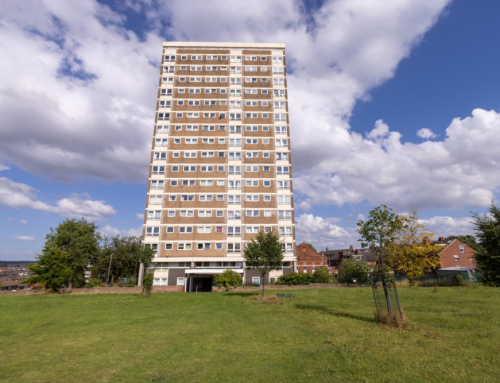
- Properties built before 2000 may contain asbestos, as its use was widespread in UK construction until a full ban in 1999.
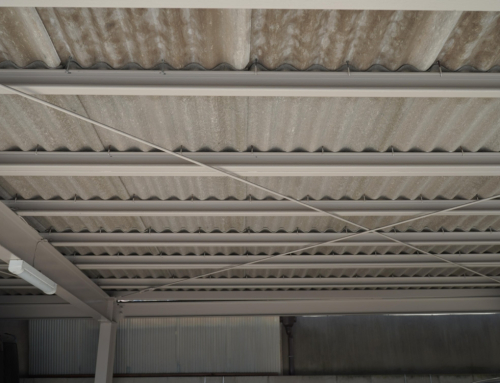
- Corrugated roofs on older garages and sheds are common locations for asbestos-containing materials.
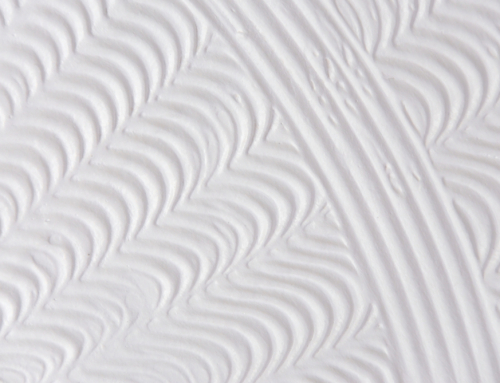
- Textured Artex ceilings, popular in the 1970s and 1980s, may contain asbestos, and testing is recommended before any alterations.
- Asbestos ceiling tiles were commonly used from the 1950s to the 1980s and should be tested before removal or disturbance.
- Vinyl floor tiles in older properties may contain asbestos, and care should be taken during any renovation work.
If your property was built before asbestos was banned in the UK, there’s a chance it still features asbestos-containing materials (ACMs). While undisturbed asbestos isn’t always dangerous, it can become a serious health risk if it’s damaged or tampered with during DIY projects, renovations or demolition work.
At Goodbye Asbestos, we help homeowners and businesses across Surrey, London and the Home Counties identify and manage asbestos safely. With asbestos found in so many building materials, would you know what to look out for? Here are eight signs your property could contain asbestos.
1. Your property was built before 2000
One of the biggest indicators is the age of the property. Asbestos was widely used in UK construction because it was durable, fire-resistant and affordable. Although its use was gradually phased out during the 1980s and 1990s, a full UK ban didn’t come into force until 1999, meaning many older properties likely still contain asbestos.
2. You have a corrugated garage or shed roof
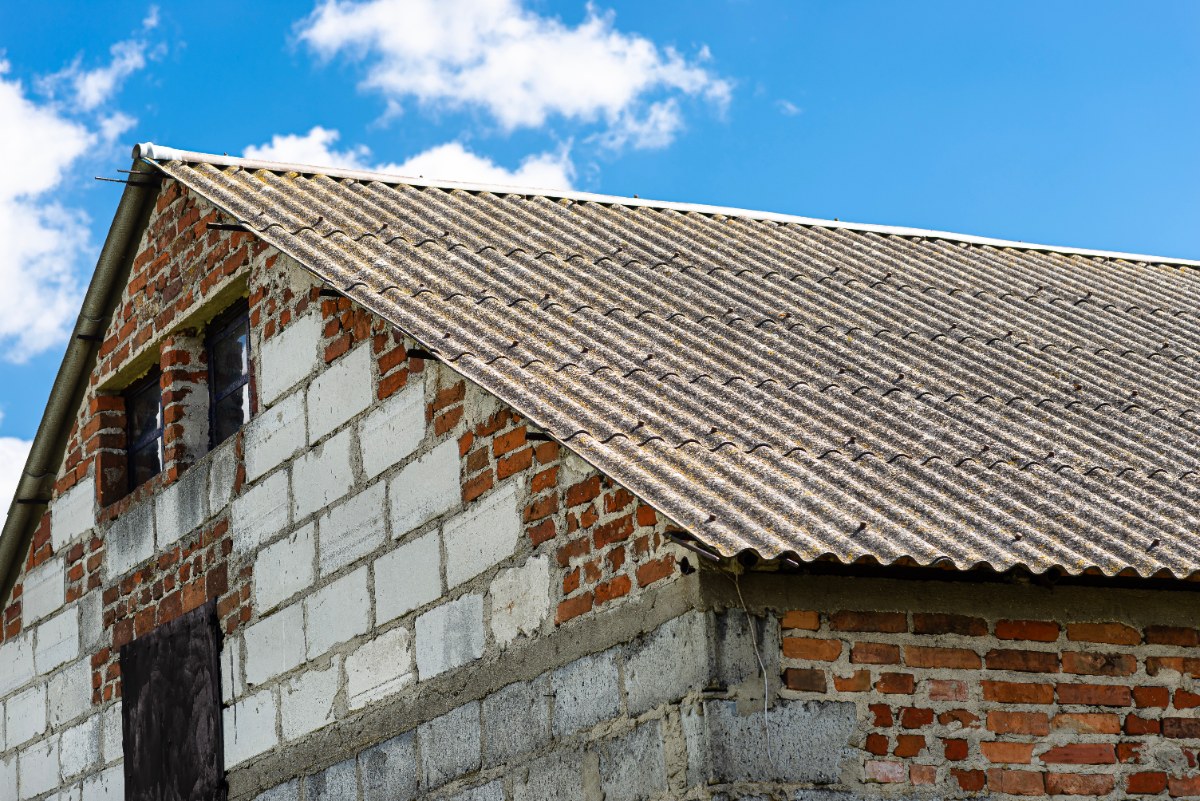
Older garages, sheds and outbuildings are some of the most common places to find asbestos. Asbestos garage and shed roofs were widely used because corrugated cement sheets were strong, long-lasting and able to withstand the British weather. If the roof is still in good condition, avoid disturbing it. However, if it’s cracked, damaged or starting to deteriorate, arrange a professional asbestos survey before any repairs or removal work takes place.
For professional help, consider our asbestos removal services in Surrey.
3. You have textured Artex ceilings
Textured Artex ceilings were all the rage during the 1970s and 1980s, with many homeowners choosing the distinctive swirls and patterns to add character and hide imperfections. While not every Artex ceiling contains asbestos, it’s impossible to know for certain without professional asbestos testing. If you’re planning to drill, sand or scrape a textured ceiling, do have it checked first.
4. Your property has ceiling tiles
Asbestos ceiling tiles were common because they were durable, fire resistant and improved insulation. Popular in the UK from the 1950s to the 1980s, they could be found in a variety of settings, including kitchens, bathrooms and garages. As the tiles were often simply glued into place, it may be tempting to try and remove them yourself. However, if the tiles are damaged, loose or need to be removed during renovation work, always arrange professional asbestos testing before disturbing them.
5. You’re planning renovation work
Many people only discover asbestos once they start removing walls, ceilings, floor tiles or old pipe boxing. If you’re planning refurbishment work, it’s sensible to consider whether asbestos could be present before work begins. Identifying asbestos early helps prevent unnecessary exposure and avoids costly delays once a project is underway.
6. You notice old cement panels or soffits
Asbestos cement wasn’t only used for roofing. It was also commonly found in external building materials such as wall panels, soffits, fascias, gutters and flues. These materials were popular because they were strong, weather resistant and required little maintenance, making them a common choice for garages, sheds, outbuildings and older homes. Asbestos cement products can remain in place for decades, meaning they may still be present even on properties that appear modern following later renovations. If panels are cracked, damaged or deteriorating, avoid disturbing them and arrange a professional asbestos survey. Always follow appropriate asbestos health and safety guidance when dealing with suspected materials.
7. Your property still has its original flooring
Vinyl floor tiles were often made with asbestos to improve their strength, durability and resistance to wear. These tiles were a popular choice in UK homes for many years and can still be found in properties that have retained their original flooring, particularly in kitchens, bathrooms, hallways or porches. If you’re planning to lift, replace or repair old floor tiles, it’s important to check whether they could contain asbestos first. Disturbing the tiles, or the adhesive underneath, could release harmful asbestos fibres if the material is present.
8. You’re simply not sure if it could contain asbestos
The biggest misconception about asbestos is that it has a distinctive appearance. In reality, asbestos was mixed into hundreds of different construction products, making it almost impossible to identify with certainty by sight alone. If you discover an unfamiliar material while carrying out maintenance or renovations, the safest approach is to leave it alone until it can be professionally assessed.
Think you’ve found asbestos in your London, Surrey or Home Counties property?
With over 20 years’ experience in asbestos removal, Goodbye Asbestos are trusted asbestos specialists providing surveys, testing and responsible removal services across Surrey, London and the Home Counties. Whether you’re renovating a family home, managing a commercial property or preparing for demolition, our experienced team can identify asbestos safely and recommend the right solution for your property.
Contact us today for expert asbestos advice and a free, no-obligation quote.