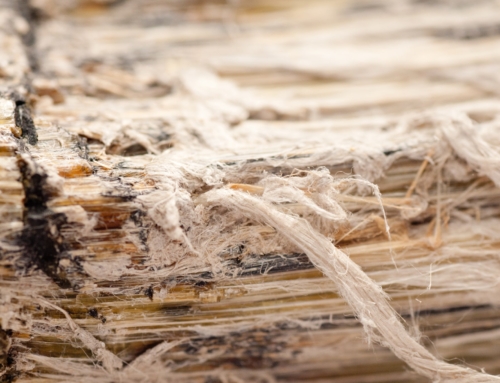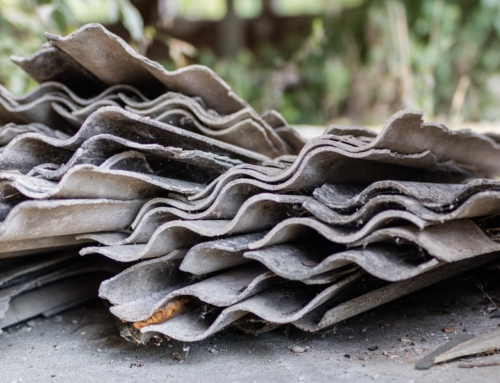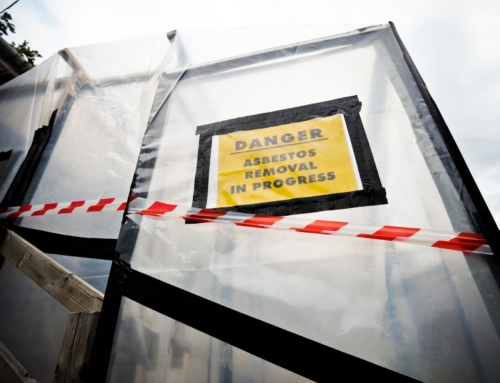
Asbestos remains a significant health risk, despite its UK ban spanning all the way back to 1999. Many older homes, buildings and structures (e.g., sheds and barns) still contain asbestos-containing materials (ACMs), meaning accidental exposure still happens. Whether you’re a property owner, business or tradesperson, it’s important to understand asbestos exposure risks to keep yourself and others safe.
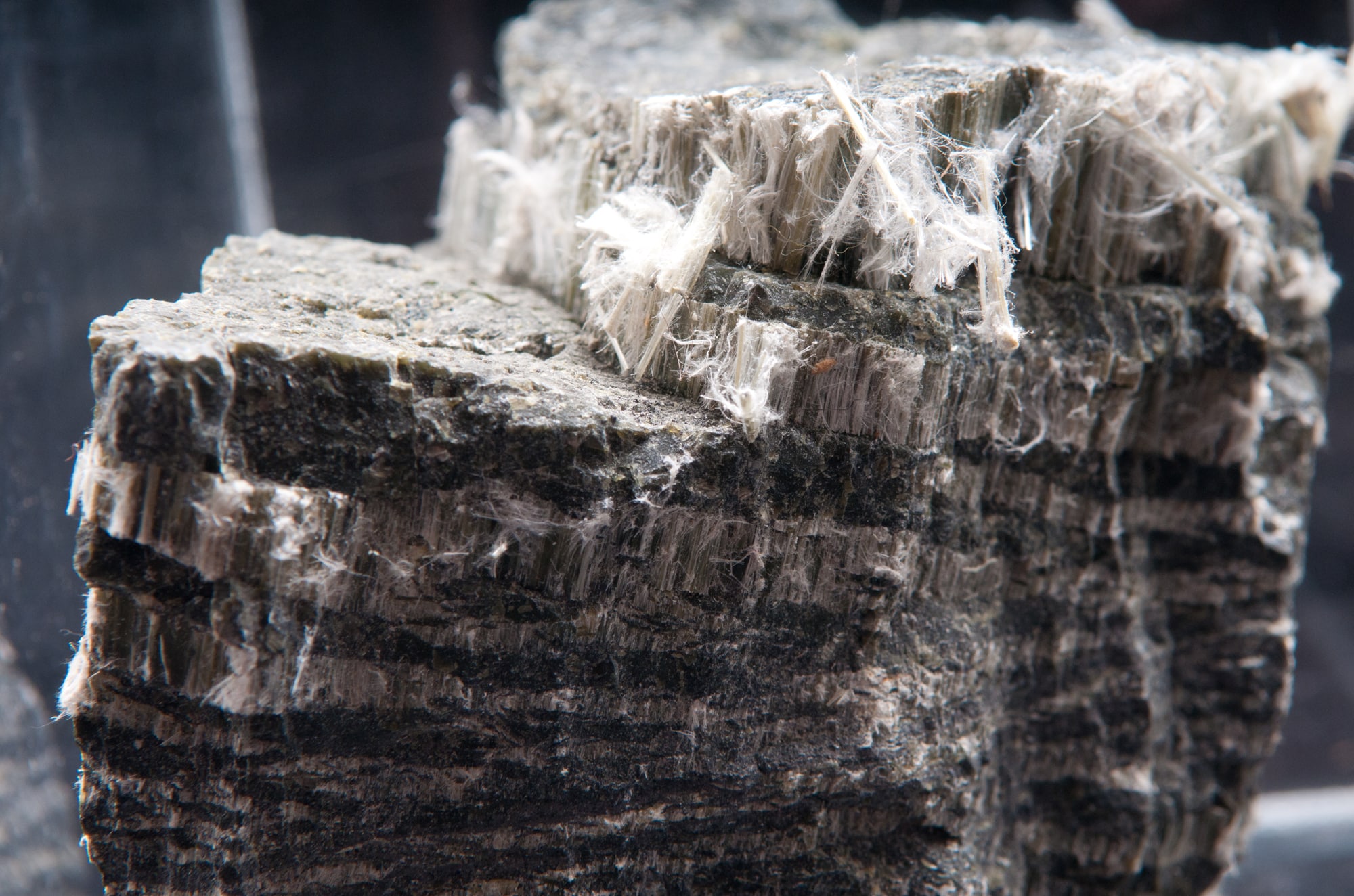
At Goodbye Asbestos, here are some of most common questions we receive about asbestos and its health risks.
Why is asbestos dangerous?
Asbestos is considered dangerous, due to its tiny fibres. These can be released and inhaled if the material is disturbed. Unfortunately, asbestos exposure can cause serious health issues, like asbestosis, mesothelioma and lung cancer. Because the fibres are lodged in the lungs, the damage often occurs gradually over many years without symptoms at first. There’s no safe level of asbestos exposure, so handling should be done by licensed professionals.
Read more in our blog on: Why asbestos was banned in the UK
Where are common sites of asbestos exposure?
Asbestos was commonly used in construction from the 1950s, found in Artex ceilings, pipe lagging, insulating boards, cement roofing sheets, garage roofs, floor tiles and adhesives, boiler flues, water tanks and many other areas before its full ban in 1999. Buildings constructed before 2000 are the most likely to contain ACMs. Contractors such as electricians, plumbers, roofers and builders are particularly at risk of disturbing asbestos during renovations or repairs.
Do all houses contain asbestos?
No, not every house contains asbestos. However, any property built or refurbished before 2000 could have asbestos hidden within its structure. The only way to confirm its presence is to arrange an asbestos survey with a professional, who can test samples safely and provide you with a full report of the findings.
How harmful is one exposure to asbestos?
A single, brief exposure to asbestos is unlikely to cause serious illness, but always take it seriously. The risk increases with repeated or prolonged exposure. If you think you’ve been exposed, avoid further contact and seek professional advice about the next steps, including air testing or medical guidance.
What are the first signs of asbestos exposure?
Early symptoms may include shortness of breath, persistent coughing, chest pain or tightness, and fatigue. If you experience any of these symptoms or have a history of asbestos exposure, speak to your GP for advice and possible referral to a specialist.
How quickly can you get sick from asbestos?
Unfortunately, asbestos-related illnesses can take decades to develop. This delay means many people don’t realise they’ve been affected until long after first exposure. That’s why prevention and safe management are key.
Can I live in a house with asbestos in the UK?
Yes, you can live in a property that contains asbestos, but the affected materials must stay in good condition and remain undisturbed. Problems arise when asbestos materials are damaged, drilled, sanded or disturbed. If you’re unsure about how to stay safe, book an asbestos survey to assess the risk levels.
What should you do if you’ve been exposed to asbestos?
If you believe you’ve been exposed to asbestos fibres, leave the area immediately to prevent further exposure. Avoid touching or cleaning contaminated clothing, changing your clothes carefully and storing them in a sealed plastic bag. Wash thoroughly, including your hair and hands, to remove any possible asbestos fibres.Inform your doctor about the exposure, and notify your employer or local environmental health agency (if it occurred at work or in a public area). They can arrange a proper cleanup and site safety assessment. Avoid the site until then.
Get a professional asbestos risk assessment in London and Surrey
Goodbye Asbestos is a professional asbestos surveyor in London, Surrey and the Home Counties. For more advice, get in touch.